ArtWeek Berkshires returns just in time for spring
Posted on April 09, 2026Written by Cathleen King, 1Berkshire
Updated on April 09, 2026

ArtWeek Berkshires is an annual county-wide celebration of all things creative by local Berkshire artists. It is more than just a festival; it’s a 10-day immersion into the heart of the region’s dynamic arts scene, designed to engage residents and visitors alike. ArtWeek takes place every spring, strategically scheduled to lead up to the traditional start of the summer season on Memorial Day Weekend, offering a perfect prelude to the area’s legendary cultural calendar.
The celebration encompasses a wide array of events and opportunities, ranging from open studios and live demonstrations to exclusive gallery talks, hands-on workshops, and family-friendly activities. It provides a unique, behind-the-scenes look at the creative process, allowing the public to connect directly with the people who shape the Berkshires’ artistic identity. This year ArtWeek Berkshires takes place May 15-25, 2026. Here are a few of the ways to take part in ArtWeek.
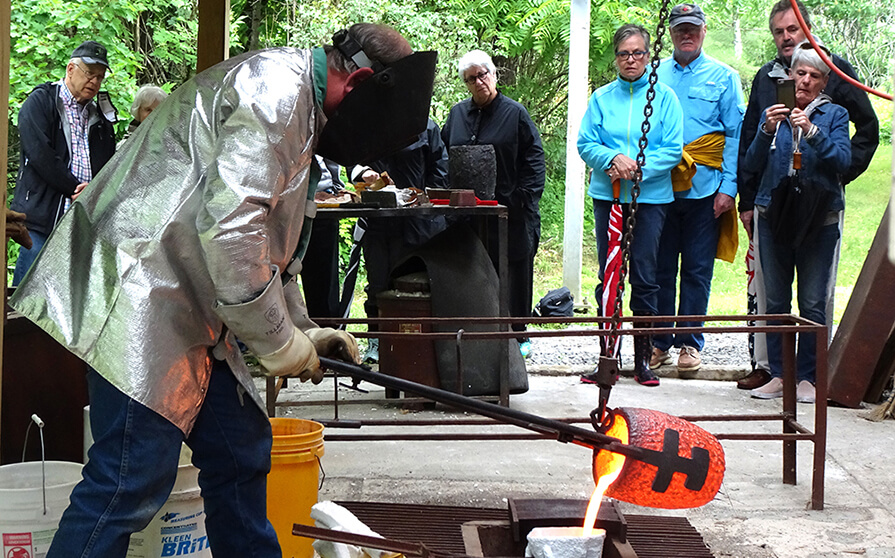
See the Art Where It’s Made
One of the most unique aspects of ArtWeek Berkshires is the Open Studio series, where artists invite the public into their creative spaces to experience the process behind the finished product. It’s a chance to see the work up close and personal, and talk to the creator about inspirations, mediums, and more. Check out one of the following and explore all Open Studio events here.
- Alan Papscun Sculpture: The artist has studied classical figure sculpture as well as abstracted forms. Papscun works in lead for its malleability and beauty.
- Louis Wallach Fine Woodturning: Located in Stockbridge, this event provides a peek into the process of turning wood into find vessels, bowls, and boxes.
- DeVries Fine Art: Experience a bronze casting demonstration and then head out to enjoy the stunning bronze pieces along the Sculpture Trail at the studio
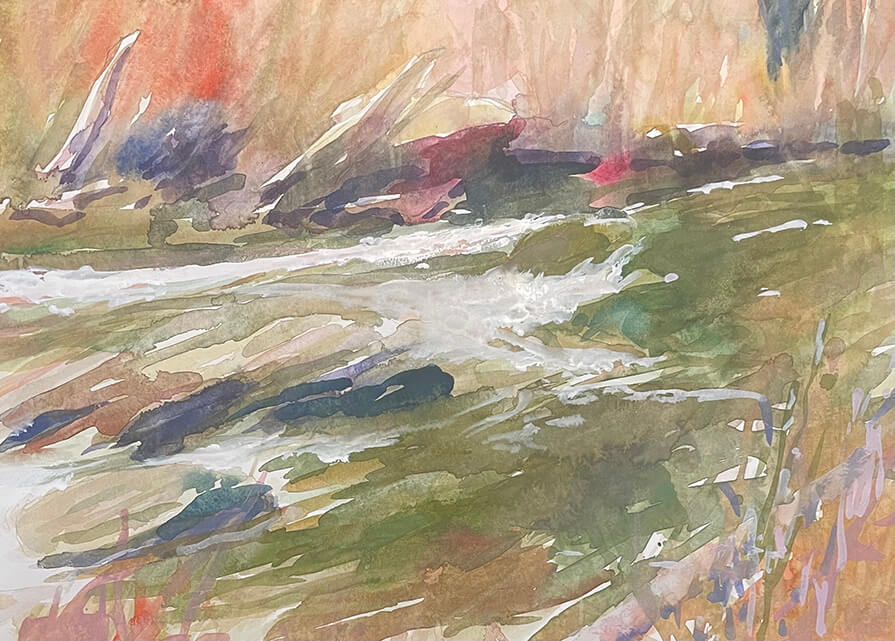
Take a Creative Tour Through the Berkshires
Create an ArtWeek itinerary that gives you the opportunity to traverse Berkshire County. From tip to tail, you can cover the Berkshires in about 90 minutes. Here are a few events, north to south, that will take you on an arty tour during ArtWeek!
- Into Light: Part of a nationwide arts activism initiative designed to reduce stigma around addiction by honoring those who have lost their lives, the exhibit includes ten original portraits of Berkshires residents.
- Community Craft Supply Swap: Whether you are an artisan with extra supplies to share, or on the hunt for craft supplies to finish a project, stop by the Milne Public Library for this community Event.
- Plein Air Paint Out: Three days of painting by the Guild of Berkshire Artists and hosted on the gorgeous grounds of Balderdash Cellars, stop by to enjoy the artists’ renditions as you sip a glass of wine.
- Celebrating African American Composers: Conductor Andre Thomas shares his enlightened program curated from a variety of African American music styles.
- Art of the Berkshires from Studio 331: Paintings, drawings, and hand-painted sculptures inspired by the beauty of the Berkshires
- Memoir Writing: Join this guided workshop and learn how to tell your own story.
Find many other events available during ArtWeek Berkshires here. Looking for where to eat and drink after your creative endeavors? We have ample ideas! Need a place to stay or want inspo for enjoying the outdoors, culture, shopping, and more, visit us here!
In Categories
More Posts
Arts and Culture
The Berkshires Are Alive with the Sounds of Music
From classical mastery to genre spanning festivals, plan your cultural escape to Western Massachusetts' celebrated music destination In 2026, the…
Read More
Arts and Culture
History and Creativity are at Home in the Berkshires
A Conversation with Cultural Leader Carrie Holland The Director & CEO of Hancock Shaker Village discusses how access to excellence…
Read More Naumkeag. Photo by Barry Winiker.
 Things to Do
A Dreamy Spring Escape to the Berkshires
Where Mud Season Becomes Magic Season Okay, let's be real—spring in the Berkshires isn't Instagram-perfect from day one. There's a…
Read More Photo by Gillian Jones, The Berkshire Eagle
 Diversity and Inclusion
Honoring Women’s History Month in the Berkshires
And here I take my stand Women’s History Month invites us--nay begs us--to look beyond the national headlines and into…
Read More